
Insights into Healthy Snacking
Discover expert articles, science-backed tips, and practical guidance on preparing nutritious snacks that support your wellness journey.
The information on this site is for educational purposes only and does not constitute medical advice. Always consult a qualified healthcare professional before making health decisions.
Featured Insight
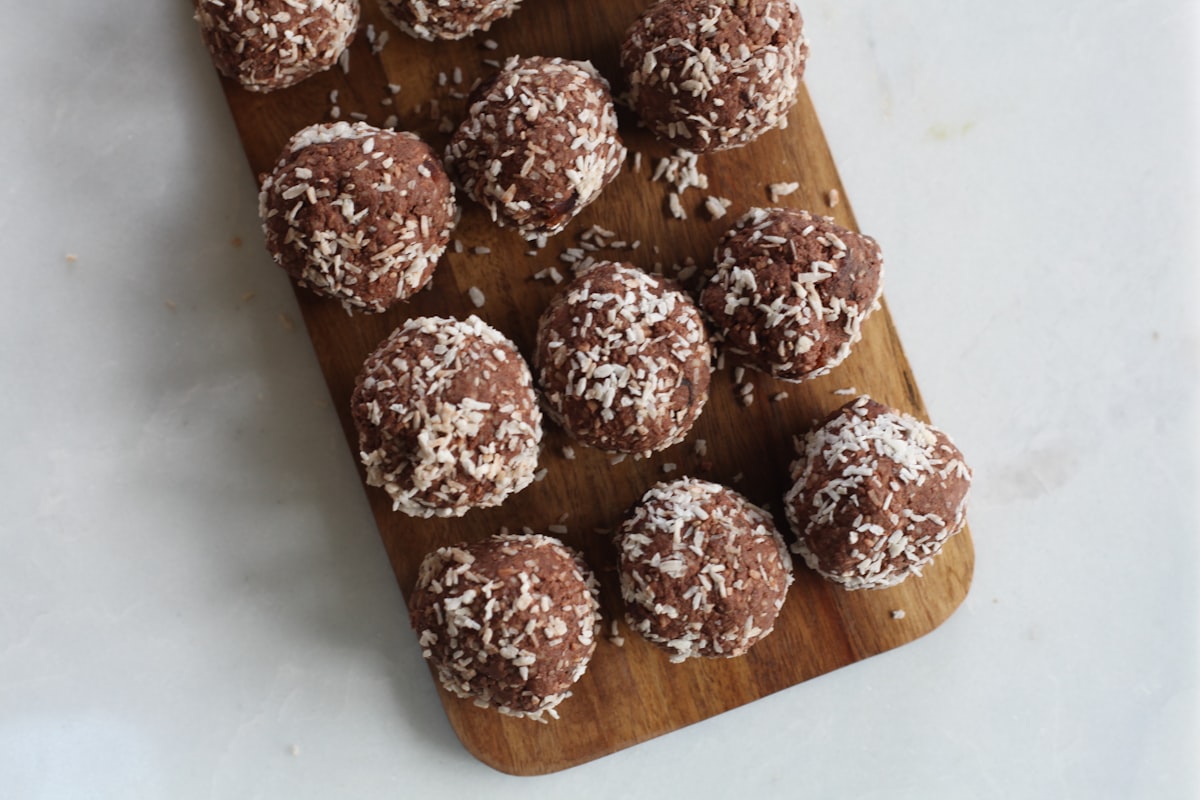
Mastering Basic Snack Preparation Methods
Learn the fundamental techniques that transform simple ingredients into delicious, nutrient-dense snacks. From proper knife skills to optimal cooking temperatures, this guide covers everything you need to know about creating snacks that maintain their nutritional value while delivering exceptional taste.
Whether you're a beginner or looking to refine your skills, understanding these core methods will elevate your snack preparation game and help you create consistent, reliable results every time.
Read Full Article →Filter by Category
More Insights
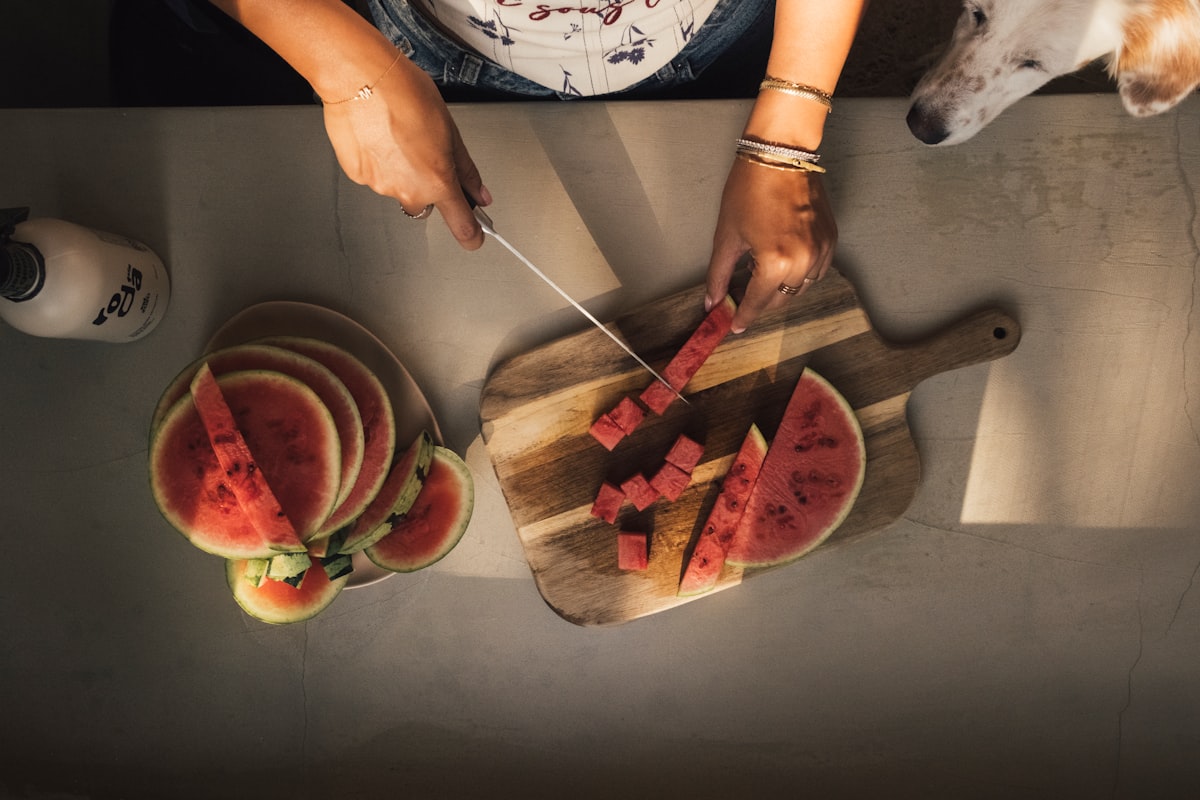
How to Choose Quality Ingredients for Optimal Results
Discover what makes the difference between ordinary and exceptional snack ingredients. Learn to identify freshness indicators, understand quality markers, and make informed choices that elevate your snack creations from good to extraordinary.
Read more →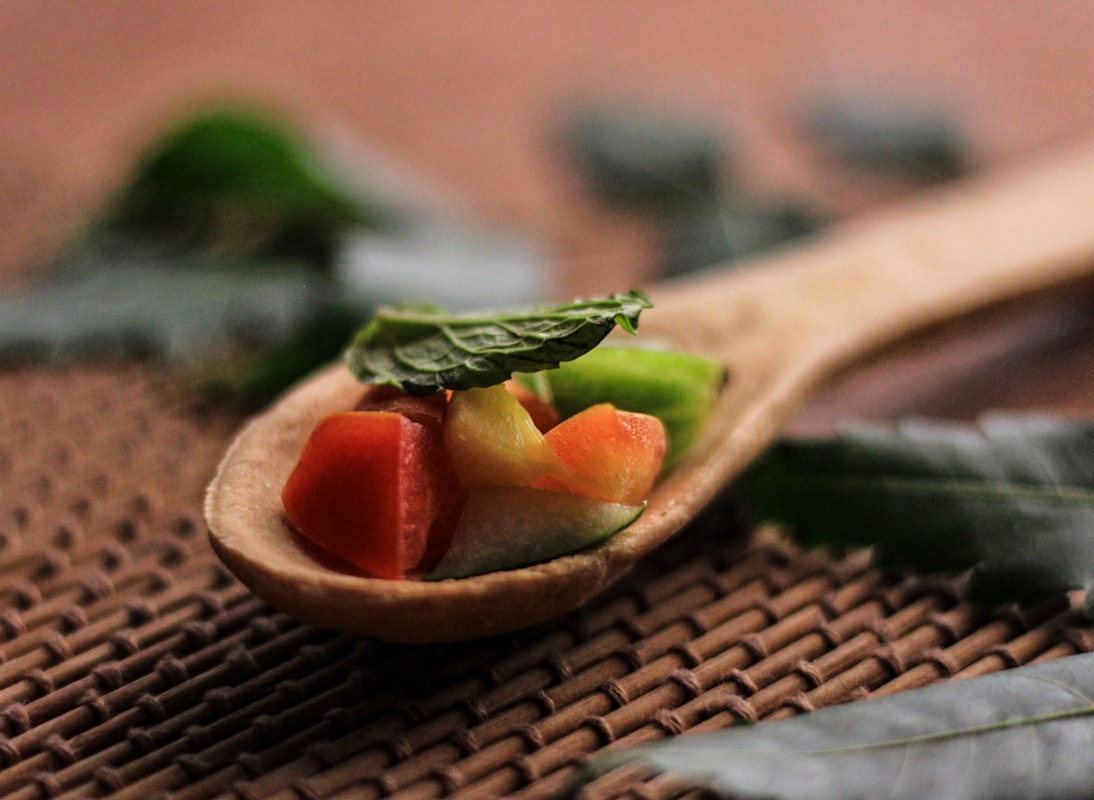
The Art of Flavor Pairing: Creating Memorable Combinations
Explore the principles of complementary flavors and how to combine ingredients that work harmoniously together. From sweet and savory contrasts to aromatic enhancements, learn the secrets to creating snacks that delight the palate.
Read more →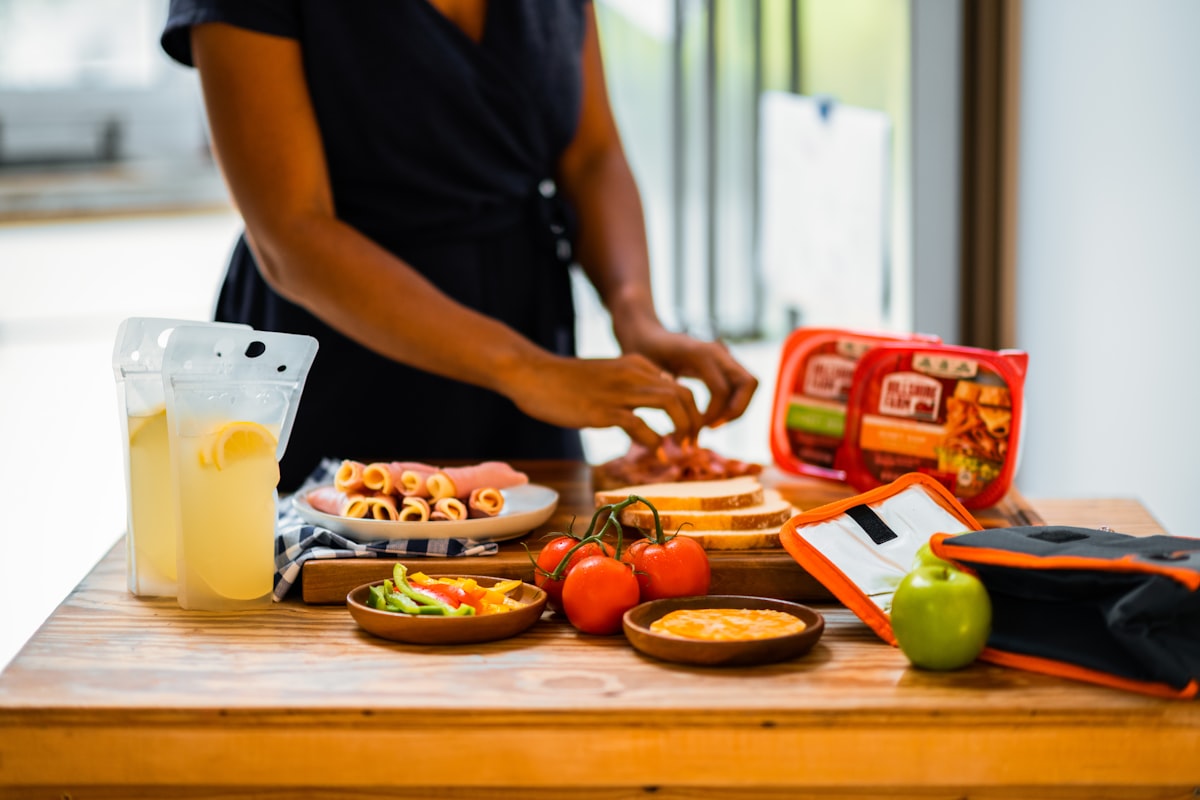
Proper Storage Methods to Extend Snack Shelf Life
Master the techniques that keep your homemade snacks fresh, crispy, and delicious for longer. Learn about temperature control, humidity management, and container selection to preserve quality and prevent spoilage effectively.
Read more →
Understanding Macronutrients in Snack Design
Learn how to balance proteins, fats, and carbohydrates to create snacks that provide sustained energy and satisfaction. Understand the role of each macronutrient and how to incorporate them in the right proportions for optimal results.
Read more →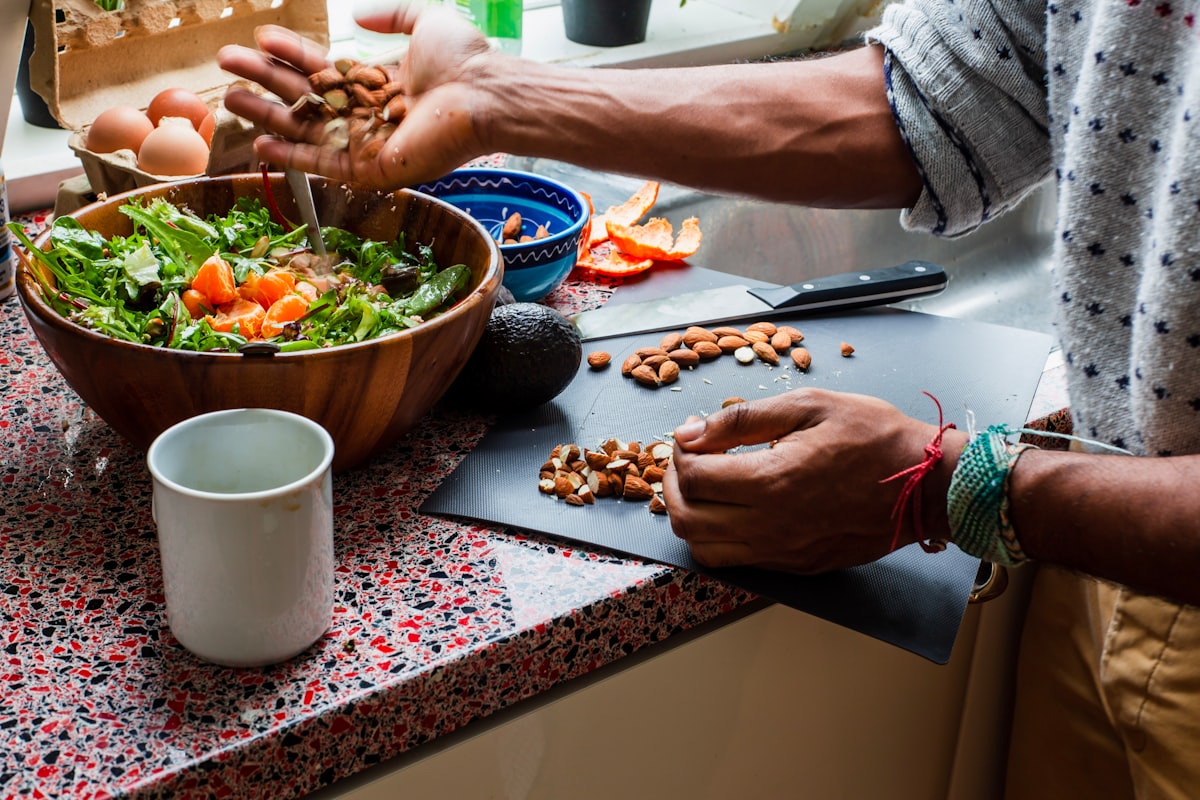
Advanced Techniques for Texture Perfection
Elevate your snack preparation with advanced cooking methods that enhance texture while preserving nutritional value. Discover how to achieve crispy exteriors, tender interiors, and perfectly balanced consistency every time you prepare snacks.
Read more →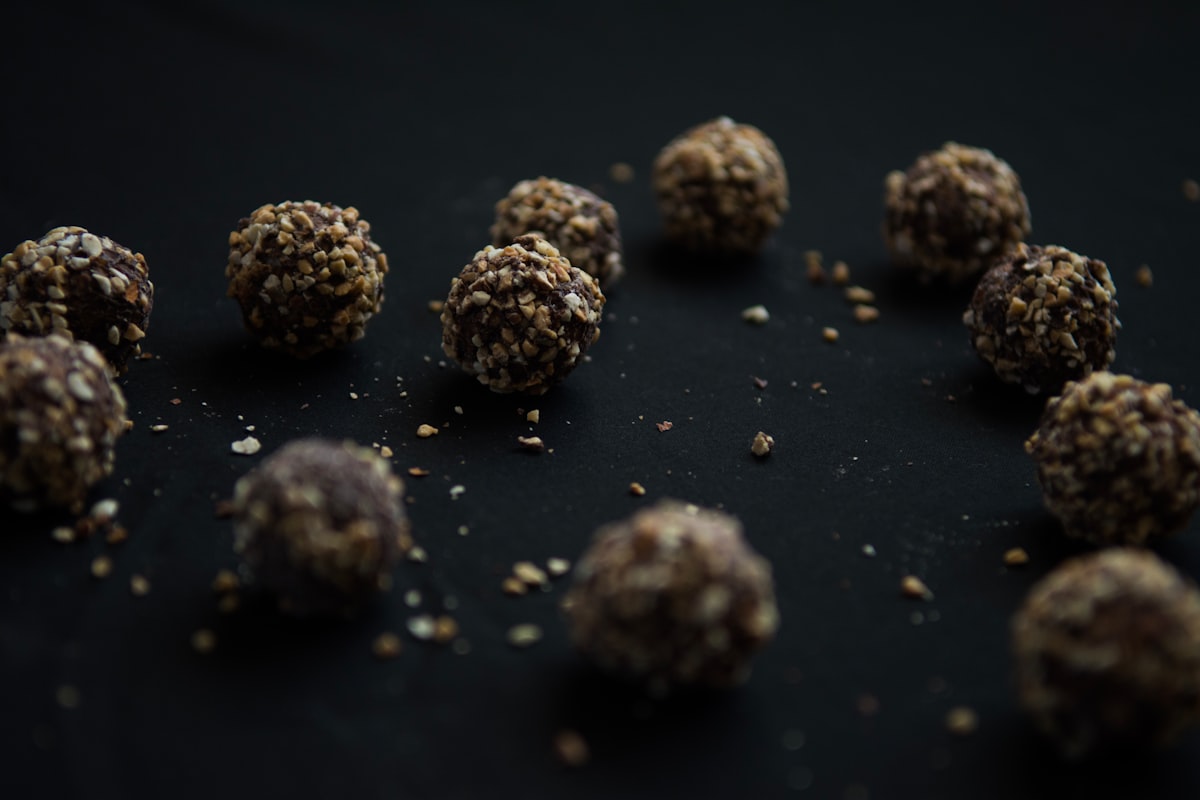
Seasonal Ingredients: Timing for Maximum Flavor
Explore how seasonal availability impacts ingredient quality, flavor intensity, and overall snack performance. Learn which ingredients shine during each season and how to adapt your snack recipes to work with what nature provides.
Read more →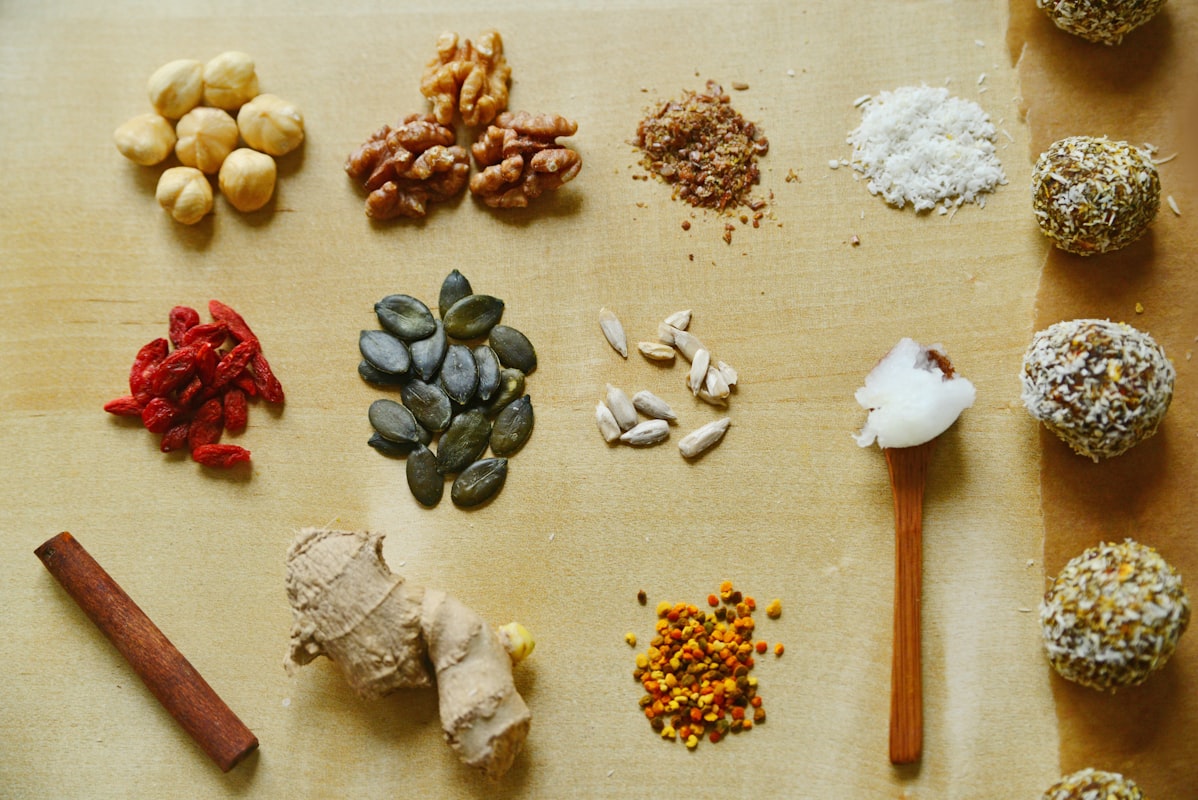
Building Satisfying Snacks with Whole Grains
Discover how incorporating whole grains enhances satiety and provides sustained energy throughout your day. Learn which grains work best for different snack types and how to prepare them to maximize their nutritional benefits.
Read more →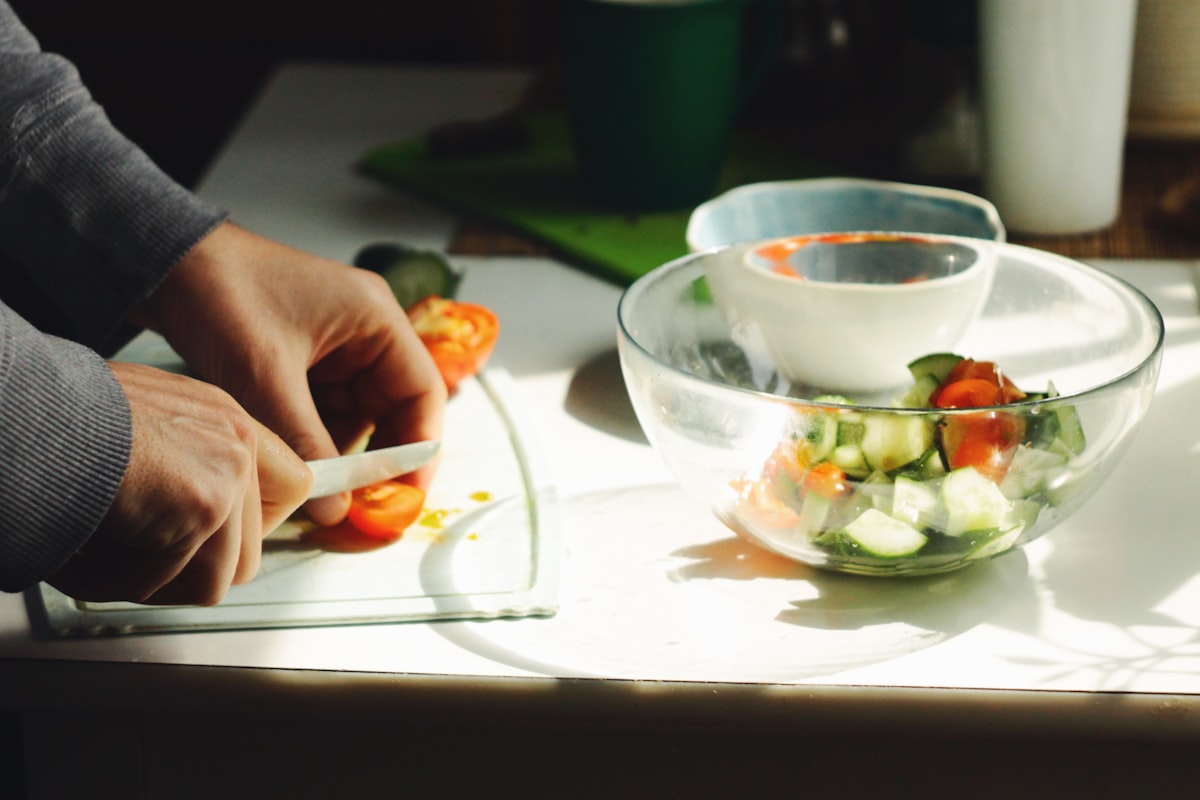
Mastering Temperature Control in Snack Preparation
Temperature precision is crucial for consistent snack quality. Learn to use thermometers effectively, understand heat distribution, and manage cooking times to achieve professional-level results that showcase your ingredients' best qualities.
Read more →Expand Your Snacking Knowledge
Explore our collection of recipes, detailed guides, and training materials to master the art of preparing healthy, delicious snacks. Our comprehensive resources are designed to support your learning journey every step of the way.
Frequently Asked Questions
Healthy snacks prioritize whole, minimally processed ingredients with balanced macronutrients — proteins, healthy fats, and complex carbohydrates. They provide sustained energy, support satiety, and contribute positively to your overall wellness. In contrast, unhealthy snacks typically contain added sugars, excessive salt, refined carbohydrates, and artificial additives that provide quick energy spikes followed by crashes, often leaving you feeling unsatisfied.
Meal prep strategies for snacks include washing and cutting vegetables into convenient portions, roasting nuts and seeds in batches, preparing energy balls in advance, and baking whole-grain options on Sunday for the entire week. Store prepared items in airtight containers, organized by category, in your refrigerator or pantry. Most homemade snacks keep well for 3-7 days when properly stored, making weekly prep efficient and cost-effective.
Essential equipment includes a sharp chef's knife, cutting board, mixing bowls, measuring cups and spoons, a food processor or blender for smooth preparations, baking sheets, and an oven. For more advanced snack preparations, consider adding a dehydrator, food thermometer, and quality storage containers. Many wonderful snacks can be prepared with just these basics, and you can expand your toolkit as your skills and interests develop.
Proper storage extends snack shelf life significantly. Use airtight containers to prevent moisture loss and oxidation, store items in cool, dark places when appropriate, and maintain consistent temperatures to prevent condensation. Refrigerate items that contain perishable ingredients, freeze items in portion-controlled servings for longer storage, and always label containers with preparation dates. Different snack types have different optimal storage conditions, which our guides explain in detail.
Yes, ingredient substitution is possible when you understand flavor profiles and functional roles. Swap similar ingredients (white beans for chickpeas, different nuts for each other) while maintaining nutritional balance and structural integrity. Our training covers which substitutions work well and which may compromise results. Document your experiments to learn what works best for your preferences, and remember that successful substitutions often require minor adjustments to quantities or cooking methods.
Our training combines practical hands-on techniques with evidence-based nutrition principles, written by experienced culinary professionals. We focus on building real skills, understanding ingredient science, and developing confidence in the kitchen. Rather than rigid recipes, we teach methods and principles that allow you to adapt and create snacks suited to your preferences, available ingredients, and lifestyle — making healthy snacking a sustainable, enjoyable part of your daily routine.